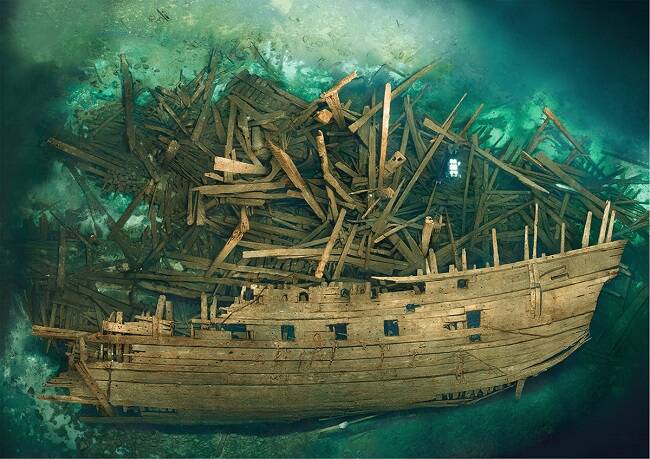
It seems like a paradox: if wood floats, why did so many old wooden ships end up at the bottom of the sea? Divers regularly discover sunken galleons, frigates, and Viking longships—all made of timber. The answer lies not just in the wood, but in what those ships carried and what time did to them.
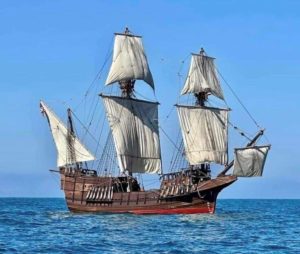
While dry wood like oak or pine has a lower density than water, making it naturally buoyant, ships still sank when they became flooded. The key factor was the heavy cargo. Historical ships carried cannons, cannonballs, anchors, and other metal gear, all of which added significant weight. The density of metal is far greater than water, and once the water filled the hull, the combined weight exceeded buoyancy.

Even when ships broke apart, their wooden pieces didn’t always stay afloat. Over time, wood submerged in saltwater absorbs moisture. Although ships were treated with waterproofing agents like wax, tar, or animal fat, these coatings wore away quickly in the ocean. Waterlogged wood can reach a density higher than water itself, causing even individual boards to sink eventually.
In rivers, timber once floated downstream for transport, but even this practice was abandoned when water-absorbed logs began sinking mid-route. So despite being made of a floating material, wooden ships were ultimately no match for the combined forces of metal weight, water damage, and time.