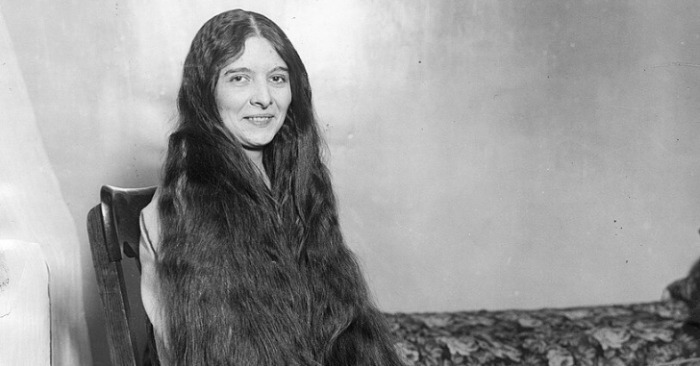
In the Victorian era, long hair was far more than a beauty trend — it was a symbol of wealth, health, and social status. While shorter hairstyles gained popularity in the early 20th century, Victorian women held on to their long locks as a sign of refinement and privilege. Even as hygiene improved and medical discoveries reshaped society, many women refused to cut their hair.
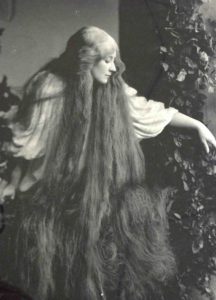
The reasons were both practical and social. For upper-class women, maintaining long hair was manageable thanks to access to soap, shampoo, and personal care. In contrast, short hair was more hygienic and practical for lower-class women, especially during outbreaks of lice or disease. However, long, well-kept hair signalled time, resources, and status — luxuries many could not afford.
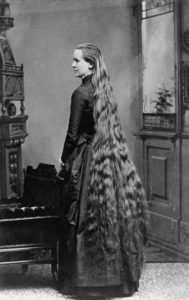
Long hair also carried economic value. Poorer women often grew their hair specifically to sell it, as there was high demand for human hair in wig-making. So, while elite women used their hair to display status, others saw it as a potential source of income. In the end, long hair in the Victorian era represented more than beauty — it was tied to class, health, and opportunity.