
After years of civil war and a celebrated triumph in Egypt, Julius Caesar returned to Italy in 47 BCE expecting glory—but instead faced rebellion. His battle-hardened legions, weary of constant campaigning and unpaid wages, encamped near Rome and issued a threat: pay us and release us with honours, or we march on the city.
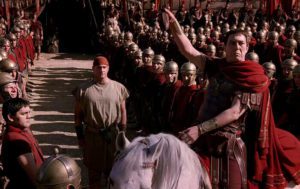
These were not idle threats. These legions were fiercely loyal veterans, now bitter and restless. But Caesar did not respond with force. He arrived alone, without guards or ceremony, and addressed his men not with anger or persuasion—but with one calculated phrase: “You are dismissed. Disband, citizens.”

That single word—“citizens”—stung more than any punishment. In Roman military culture, it meant they were no longer soldiers, stripped of glory, spoils, and place in history. Caesar didn’t argue. He made clear they were no longer needed—and that they would not share in what came next.

The impact was immediate. The same men who had threatened Rome begged to be taken back the next day. Caesar forgave them and led them into battle once more. With this masterstroke of psychology, he turned mutiny into loyalty—without lifting a sword. It remains one of the greatest demonstrations of strategic leadership in history.